Street Food Capitals: What Makes a City's Food Scene World-Famous
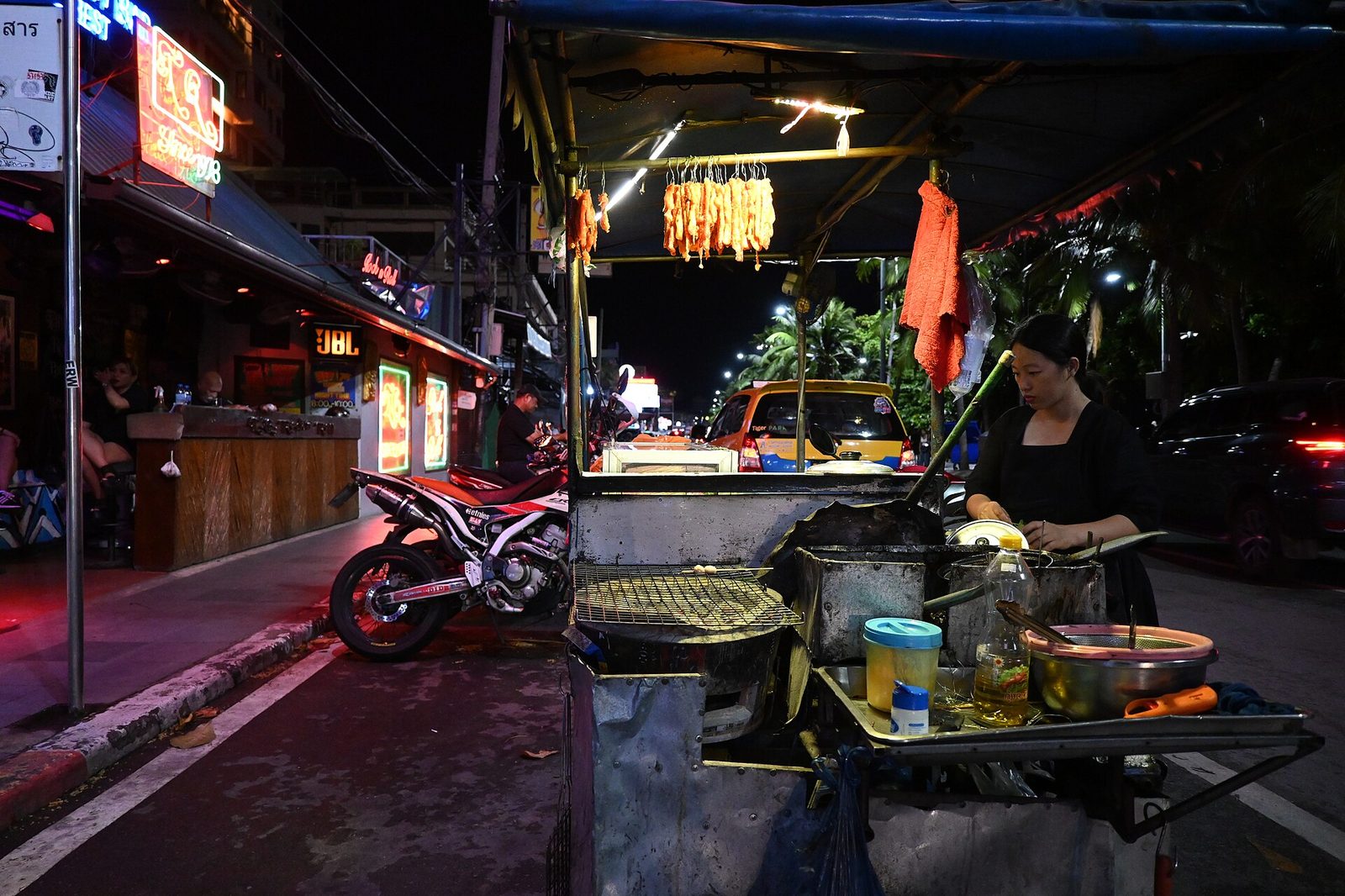
In the world's great food cities, the best meal in town might cost two dollars and come from a cart. Street food is not a sideshow to a city's cuisine — in Bangkok, Mexico City, Dhaka or Istanbul, it is the cuisine. So what makes one city's streets taste better than everywhere else?
The first secret is focus. The legendary stalls often sell one thing — one soup, one kebab, one kind of dumpling — perfected over years or generations. A cook who has made the same dish ten thousand times knows things no recipe can teach. Cities that celebrate these specialists, rather than pushing them aside, end up with streets where almost every stall is an expert.
Great street food needs crowds, and crowds need prices everyone can pay. When a full meal costs pocket change, office workers, students and taxi drivers all eat side by side, stalls turn over ingredients constantly, and everything is cooked fresh in front of you. Density matters too: food streets where dozens of vendors compete within a few steps keep quality honest. And the great food cities eat late — the night market is where a city shows its real appetite.
The final ingredient is attitude. In Bangkok, a humble noodle stall can hold international honours and national pride at the same time. In Mexico City, taco stands are treated as cultural institutions. In Dhaka, the evening fuchka and jhalmuri sellers are part of the city's heartbeat; in Istanbul, the simit cart is as much a landmark as the mosques behind it. Where governments license and organise vendors instead of chasing them away, the whole city eats better.
For visitors, street food is the fastest route into a culture: no reservations, no dress code, no translation of a menu needed — just point, eat, and understand something true about the place. That is why food now decides itineraries, why travellers plan trips around markets, and why a city's stalls may be its most honest ambassadors. The world's best restaurant might be a cart. The queue forming beside it already knows.
Enjoying the Magazine? Follow the live headlines in Food & Travel, or write for us — we publish guest contributors.